
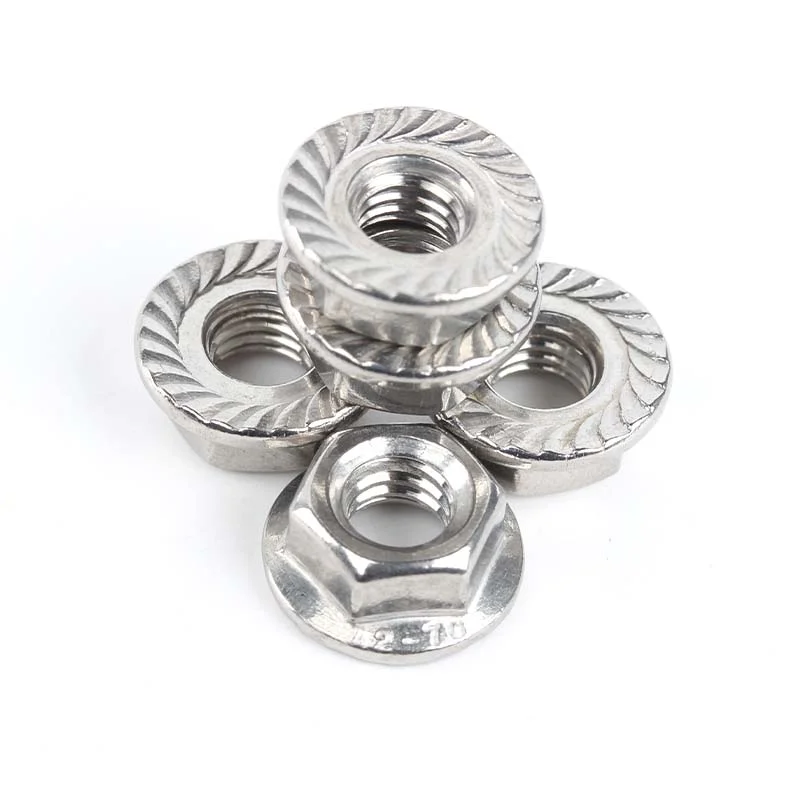
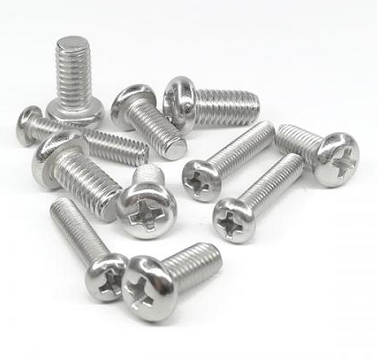
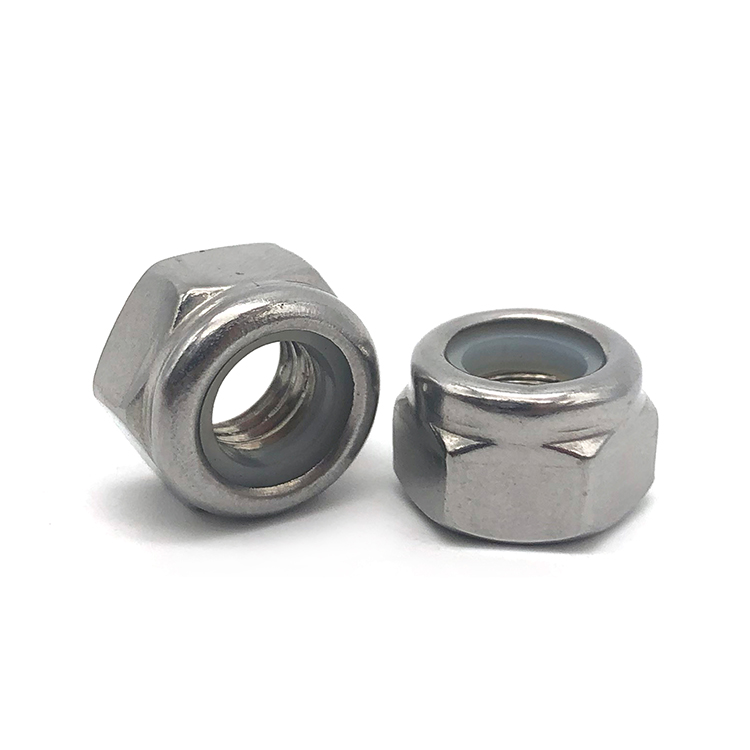
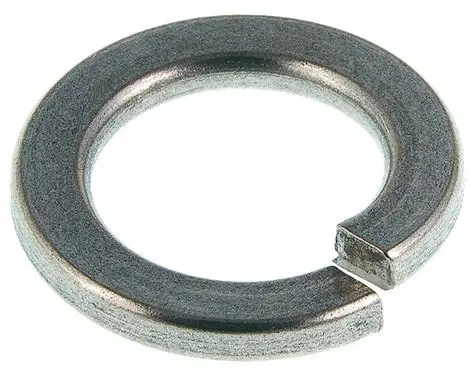
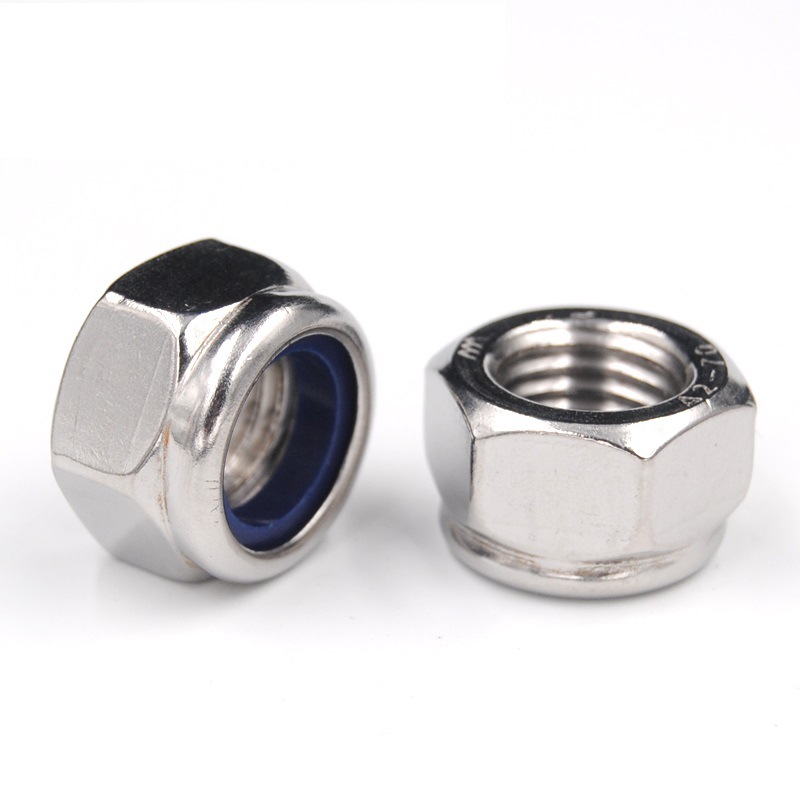
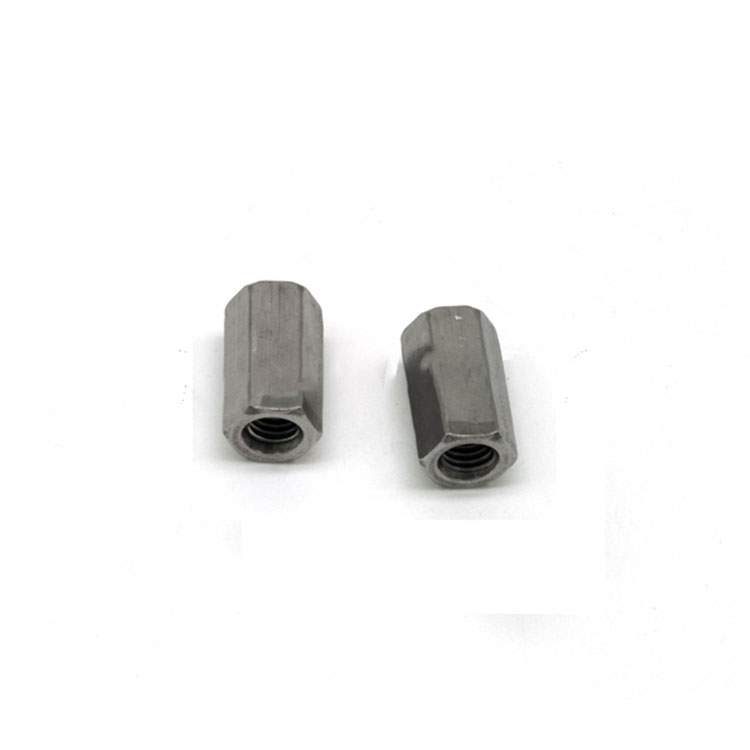
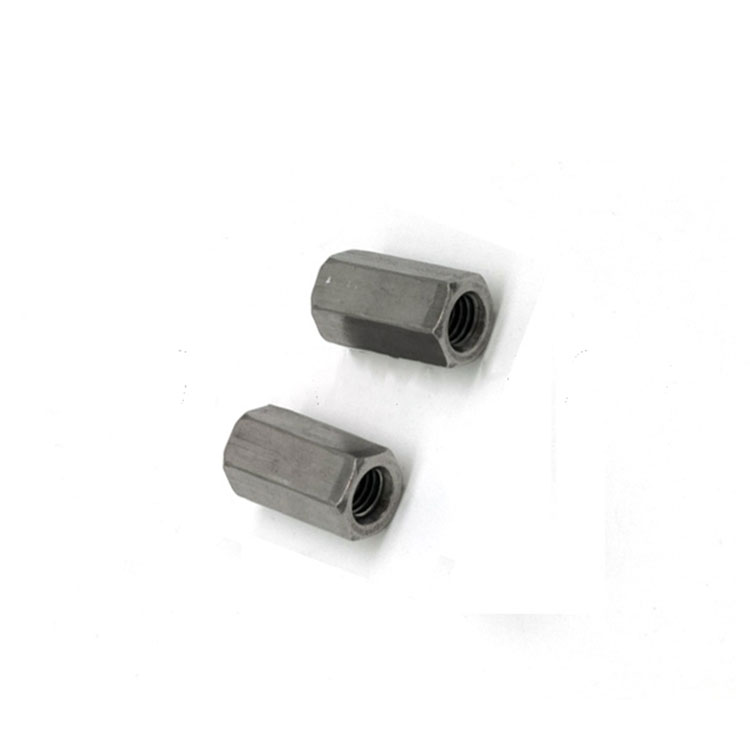
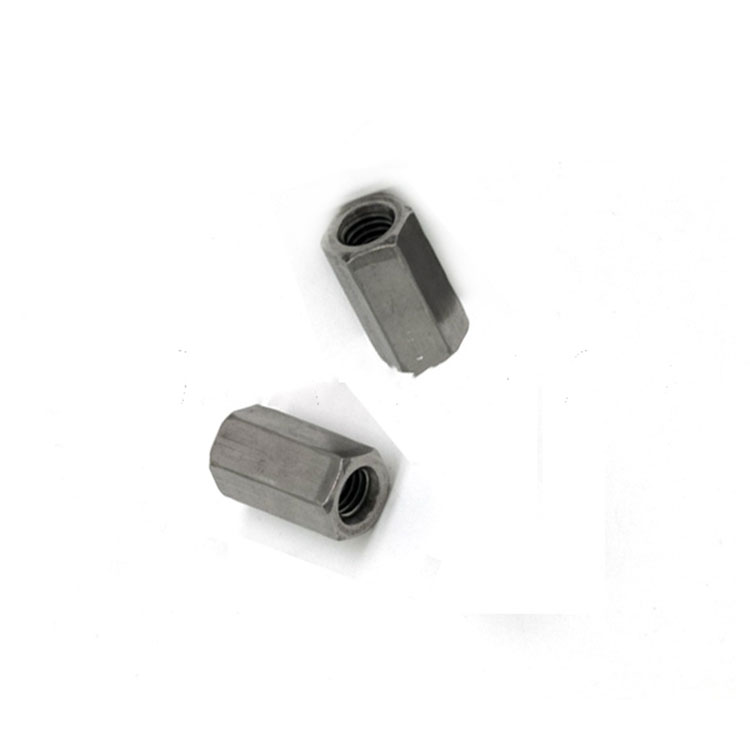
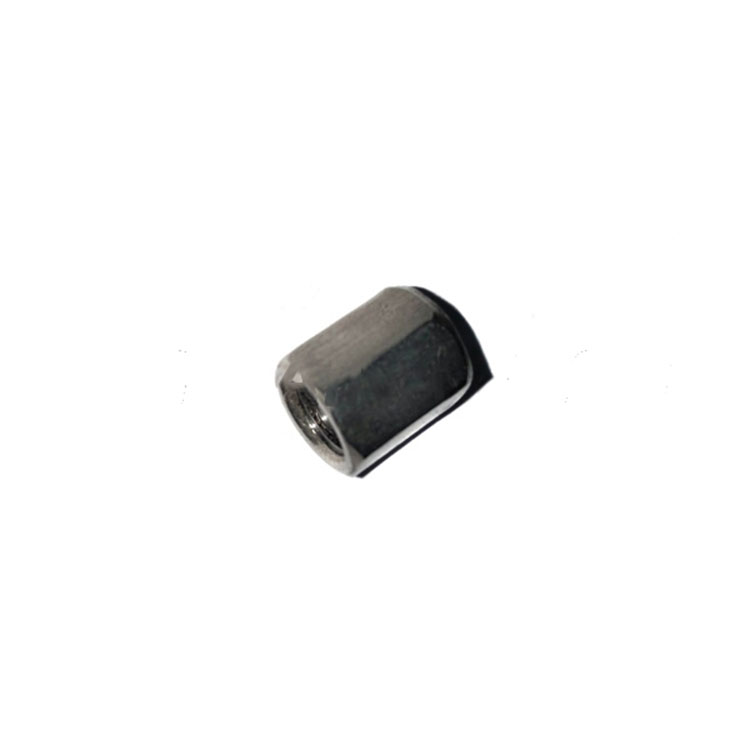
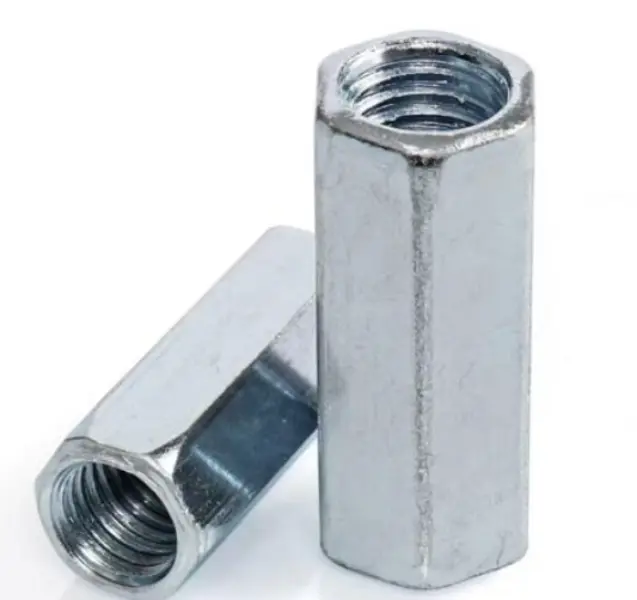
Stainless Steel SS316 316L Hexagon Coupling Nut
High quality Stainless Steel SS316 316L Hexagon Coupling Nut is offered by China manufacturer Gangtong Zheli. Welcome new and old customers to continue to cooperate with us to create a better future!
Place of Origin:Zhejiang, China (Mainland)
Available Material:Carbon steel,stainless steel,bras
Delivery time:15-25 Days
Place of Origin:Zhejiang, China (Mainland)
Available Material:Carbon steel,stainless steel,bras
Delivery time:15-25 Days
Send Inquiry
Product Description
Stainless Steel SS316 316L Hexagon Coupling Nut
Nuts serve as connectors in machinery, securing parts through bolts or screws. They come in various types aligned with different standards: national, British, American, and Japanese. These nuts vary in materials like carbon steel, high strength, stainless steel, and plastic steel, each corresponding to specific grades within these standards.
They're categorized based on attributes like ordinary, non-standard, old national standards, new national standards, American and British systems, and German standards. National and German standards are typically denoted by the "M" designation (e.g., M8 and M16), while American and British standards use fractions (e.g., 8, 10, 1/4, and 3/8) to identify fasteners.
Nuts are vital components tightly linked to mechanical equipment. Their compatibility is reliant on internal threads, necessitating nuts and screws of identical specifications for connection. For instance, M4-0.7 nuts can solely pair with counterparts of the same specs (where the M4 denotes a 4mm inner diameter and 0.7 signifies the thread distance). This rule applies similarly to American products like the 1/4-20 nut, which exclusively matches with its equivalent (1/4 refers to a 0.25-inch inner diameter and 20 denotes 20 threads per inch).
Hot Tags: Stainless Steel Hexagon Coupling Nut, SS316 Coupling Nut Supplier, 316L Hex Nut Manufacturers
Related Categories
Flange Nut
Hex Nut
T Nut
Square Nut
Nylon Nut
Cap Nut
Weld Nut
Coupling Nut
K Nut
Eye Nut
Lock Nut
Breakaway nut
Cage Nut
Round Nut
Wing Nut
Send Inquiry
Please feel free to fill your inquiry in the form below. We will reply you in 24 hours.
Related Products
 Stainless steel 304 direct sale metric hex domed cap nuts
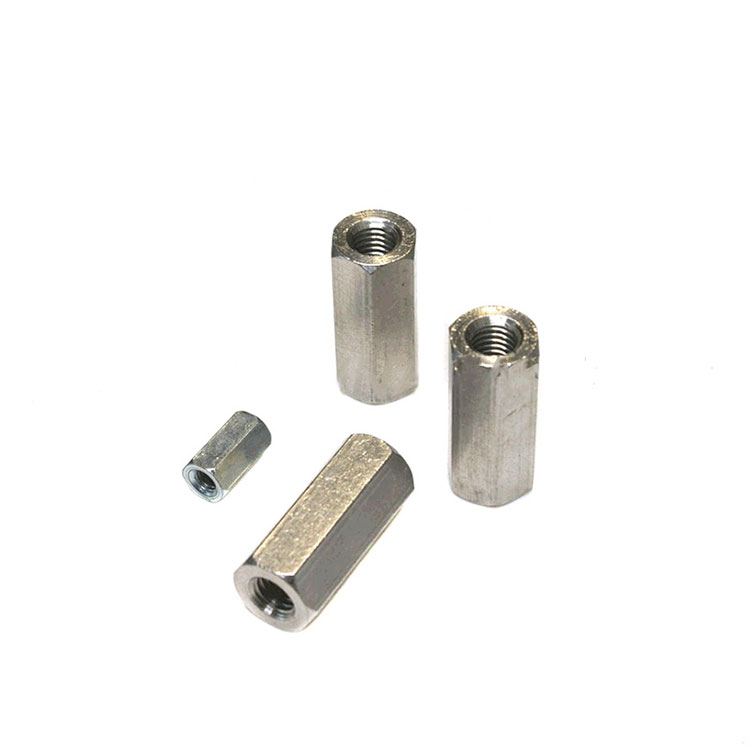 M8 M10 Stainless Steel A2-70 DIN6334 Hex Coulping Nut
 M6 M8 M10 Stock Carbon Steel White Blue Zinc Plated Long Nut Coupling Nut
 Hex Threaded Coupling Nut for Fastener Connection
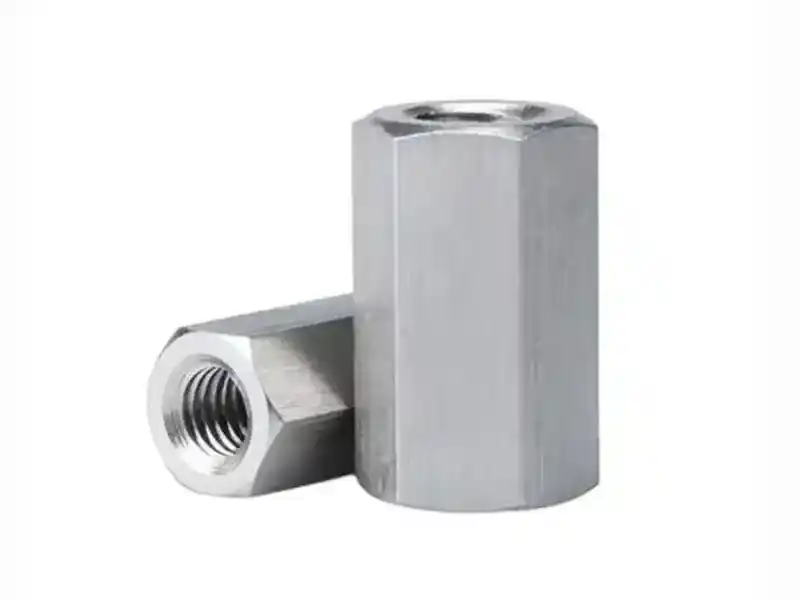 Long Hex Coupling Nut Plain Carbon Steel Thread Rod Connecting Nut
 DIN6334 Hex Coupling Nut Zinc Plated Carbon Steel


X
We use cookies to offer you a better browsing experience, analyze site traffic and personalize content. By using this site, you agree to our use of cookies.
Privacy Policy