
Solar Bracket
The Ultimate Guide to Solar Bracket Systems: Engineering for Peak Performance
For over two decades in the solar installation industry, one truth remains constant: the foundation of any successful photovoltaic (PV) system is its mounting hardware. The solar bracket, often the unsung hero, is the critical interface between your valuable solar panels and the rooftop or ground structure. Its quality, design, and durability directly impact the system's efficiency, longevity, and safety. A subpar mounting solution can lead to micro-cracks in panels, increased wind load stress, water ingress, and ultimately, a significant drop in energy yield and return on investment. This guide delves deep into the engineering and selection of professional solar mounting brackets, providing the detailed parameters and knowledge necessary for installers, engineers, and procurement specialists to make informed decisions.
Core Components and Technical Parameters of a Solar Bracket System
A complete solar racking system is an engineered assembly, not just a simple clamp. Understanding each component's role and specifications is key.
1. Primary Structural Components
- Rail (Longitudinal Support): The main horizontal beam that runs the length of the array, providing the backbone for panel attachment.
- Material: Anodized Aluminum Alloy 6005-T5 or 6063-T6.
- Standard Lengths: 3.0m, 4.0m, 5.0m, 6.0m (custom lengths available).
- Profile: C-channel, U-channel, or T-slot designs for integrated cable management.
- Load Capacity: Typically designed for ultimate tensile strength exceeding 30 kN and a bending moment capacity over 4 kN·m.
- Mid/End Clamps: Secures the solar panel frames to the rail.
- Material: Anodized Aluminum Alloy 6061-T6 or Stainless Steel AISI 304/316.
- Torque Specification: Precisely calibrated (e.g., 12-15 Nm for aluminum, 18-20 Nm for steel) to prevent over-compression of the panel frame.
- Compatibility: Designed for standard panel frame heights (typically 30mm, 35mm, 40mm).
- Roof Attachment (Foot/Base): The interface between the rail and the roof structure.
- Types: Stand-off feet for pitched tile/shingle roofs, flat roof systems (ballasted or penetrating), and seam-clamping systems for metal roofs.
- Material: Hot-dip galvanized steel (HDG), Aluminum, or Stainless Steel.
- Fasteners: High-grade, corrosion-resistant lag bolts or structural screws compatible with the roof material (wood, metal, concrete).
2. Detailed Material and Coating Specifications
Corrosion resistance is non-negotiable for a 25+ year system lifespan.
| Material Type | Common Use | Key Standards & Coatings | Salt Spray Test Performance |
|---|---|---|---|
| Aluminum Alloy 6005-T5 / 6063-T6 | Rails, Clamps, Splice Kits | Anodizing (Grade AA-M10-C22, min. 15µm), Powder Coating (Polyester, 60-80µm) | >1000 hours (no red rust) |
| Stainless Steel AISI 304 | Fasteners, Clamps (coastal/mild industrial) | Passivation per ASTM A967 | >500 hours |
| Stainless Steel AISI 316 | Fasteners, Clamps (severe coastal/industrial) | Passivation per ASTM A967 | >1000 hours |
| Hot-Dip Galvanized Steel (HDG) | Roof Feet, Ground Mount Posts | ASTM A123, Minimum Coating Mass: 610 g/m² (Z275) | >1000 hours to first red rust |
3. Critical Engineering & Load Data
| Parameter | Test Standard | Typical Minimum Design Value | Notes |
|---|---|---|---|
| Ultimate Tensile Strength (Rail) | ASTM E8 / ISO 6892-1 | ≥ 260 MPa (Aluminum) | Ensures structural integrity under tension. |
| Yield Strength (Rail) | ASTM E8 / ISO 6892-1 | ≥ 215 MPa (Aluminum 6005-T5) | Resistance to permanent deformation. |
| Wind Uplift Capacity | ASCE 7, Eurocode 1, IBC | Designed for local wind speed maps (e.g., 140 mph/225 kph) | Must be certified by a Professional Engineer (PE) for the project location. |
| Snow Load Capacity | ASCE 7, Eurocode 1 | Designed for local snow load maps (e.g., 40 psf/1.92 kPa) | Considers panel slippage and structural deflection. |
| Seismic Performance | ASCE 7, IBC, California Title 24 | Designed for Seismic Design Category (SDC) C, D, or as required. | Dynamic analysis for high-risk zones. |
| System Deflection (Under Load) | - | ≤ L/240 (span/240) | Limits panel stress and maintains aesthetic appearance. |
Solar Bracket FAQ: Answers from the Field
Q: What is the difference between an aluminum and a stainless steel solar bracket?
A: The core differences lie in strength, weight, corrosion resistance, and cost. Aluminum brackets (alloy 6005/6063) are lightweight, have excellent natural corrosion resistance when anodized, and are typically used for rails and clamps. They offer a great strength-to-weight ratio. Stainless steel (304 or 316) is significantly stronger and harder, making it ideal for critical fasteners and high-stress clamps, especially in corrosive coastal environments (AISI 316 is superior for salt spray). Stainless is heavier and more expensive. A hybrid system using aluminum for rails and stainless for attachments/fasteners is common and optimal.
Q: How do I determine the correct wind and snow load rating for my solar bracket system?
A: Load ratings are not one-size-fits-all; they are location-specific. You must reference the building code applicable to your installation site (e.g., IBC/ASCE 7 in the USA, Eurocode in Europe). Key steps are: 1) Identify the project's geographic location and its corresponding basic wind speed and ground snow load from official hazard maps. 2) Determine the site's exposure category (e.g., Exposure B, C, or D for wind). 3) Calculate the specific pressures on the array based on its height, tilt angle, and roof zone (perimeter, corner, interior). Reputable solar bracket manufacturers provide engineering documentation and span tables that show the allowable rail spacing and attachment spacing for various load combinations. Always have the final system design reviewed or stamped by a licensed Professional Engineer for commercial and large residential projects.
Q: Can I install solar brackets on any type of roof?
A: While mounting solutions exist for most roof types, each requires a specific, compatible attachment method. For composition shingle or tile roofs, stand-off feet with flashing are used, and the roof's truss structure must be located for secure lag bolt attachment. For metal standing seam roofs, specialized seam clamps that grip the seam without penetration are the standard. For flat roofs (EPDM, TPO, built-up), non-penetrating ballasted systems or penetrating posts with comprehensive waterproofing kits are employed. Clay or concrete tile roofs require careful tile removal or tile-specific hooks. A structural assessment of the roof's load-bearing capacity is mandatory before installation on any roof type.
Q: What is the importance of the torque specification when tightening solar bracket clamps and fasteners?
A: Adhering to the manufacturer's specified torque value is critically important for system integrity and warranty compliance. Under-tightening can lead to component loosening due to vibration and thermal cycling, causing potential slippage, noise, and electrical grounding issues. Over-tightening is equally dangerous: it can deform the aluminum solar panel frame, leading to glass stress and micro-cracks (which reduce power output), strip threads, or crush rail extrusions, compromising their strength. Always use a calibrated torque wrench. Common values are 12-15 Nm for aluminum-to-aluminum connections (e.g., mid-clamp to rail) and 18-20 Nm for stainless steel bolts into structural attachments.
Q: How does the solar bracket system affect the overall efficiency of my PV array?
A: The mounting system influences efficiency in several direct and indirect ways. Directly, the tilt angle and orientation (azimuth) set by the bracket determine the annual solar irradiance capture. An adjustable solar bracket allows for seasonal optimization. Indirectly, a poorly designed or installed system can cause "parasitic shading" from rails or clamps if not positioned correctly. More importantly, insufficient rigidity can lead to panel deflection, which stresses cells and connections. In windy conditions, excessive vibration or "flutter" can cause energy production fluctuations. Properly engineered brackets ensure optimal, stable positioning and minimize mechanical stress on the panels, preserving their rated efficiency over the system's lifetime.
Q: Are there specific solar bracket considerations for ground-mounted systems versus rooftop systems?
A: Yes, the design priorities differ significantly. Rooftop systems are constrained by the existing roof structure, aesthetics, and waterproofing integrity. They prioritize low weight, distributed load, and a low profile. Ground-mounted systems, however, are their own independent structure. They require more robust foundations (driven piles, concrete piers, helical piles) and heavier-duty posts and beams, often made from hot-dip galvanized steel for strength and cost-effectiveness. Ground mounts allow for greater flexibility in orientation, tilt, and row spacing to minimize inter-row shading, but they must be designed for higher wind loads due to their exposure and often higher array heights. Frost heave and soil conditions are also major design factors for ground mount foundations.
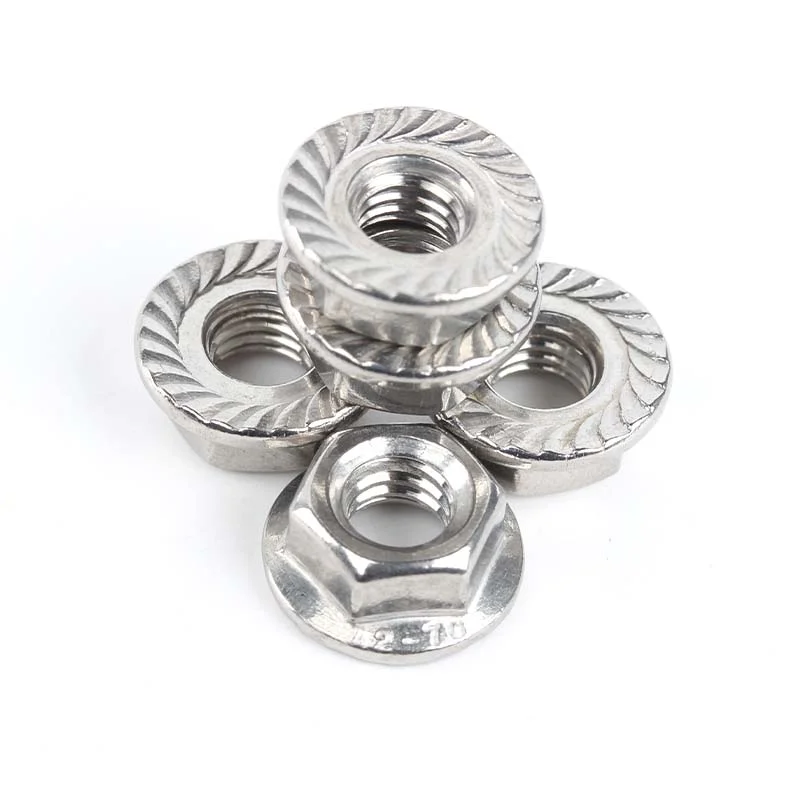
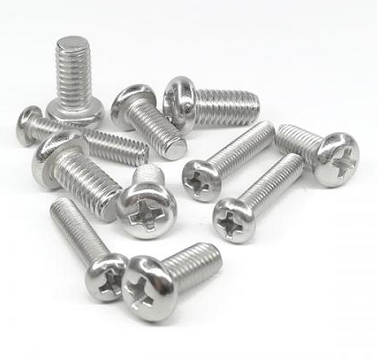
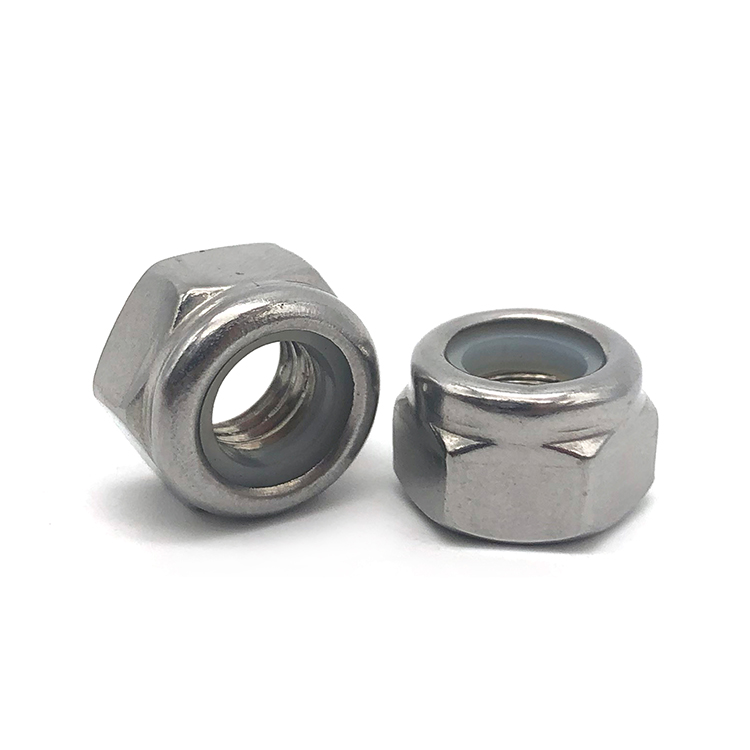
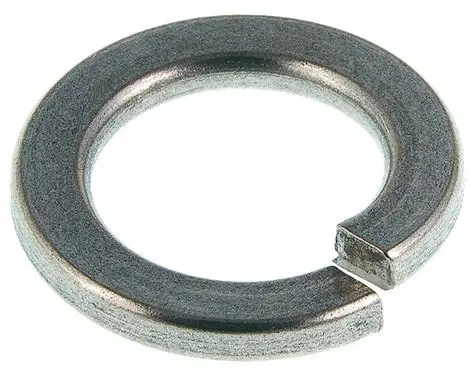
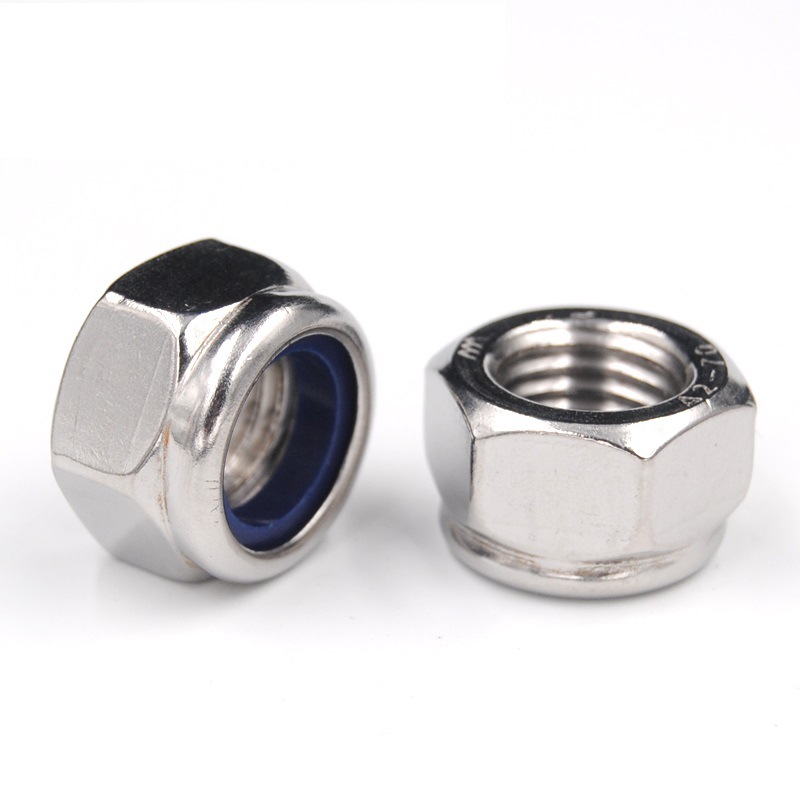
- View as

Stainless steel A2 A4 solar roof hook parts for solar energy system
You can rest assured to buy Stainless steel A2 A4 solar roof hook parts for solar energy system from our factory.
material:stainless steel
Grade:ss304 ss316
Min Order: 100PCS each size
Sample: Free sample
Package: Carton+Pallet
Standard: DIN,ASTM/ASME,JIS,EN,ISO,AS,GB
Delivery time:7-30days
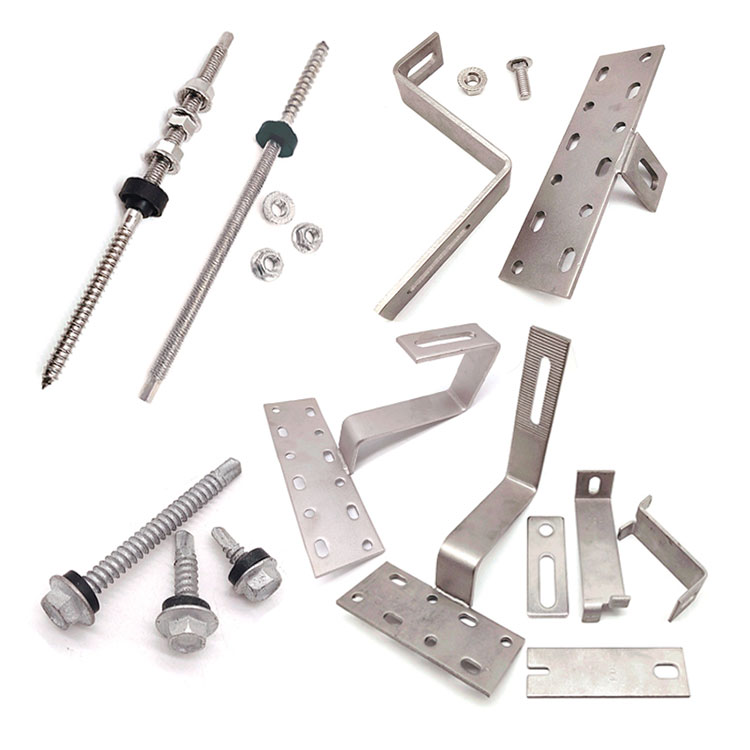
Stainless Steel Metal Adjustable Mount Bracket/ PV Bracket/ Solar System Panel Mounting Structure Roof Brackets/Aluminum Bracket/Tile Roof Bracket/Solar Brackets
You can rest assured to buy Stainless Steel Metal Adjustable Mount Bracket/ PV Bracket/ Solar System Panel Mounting Structure Roof Brackets/Aluminum Bracket/Tile Roof Bracket/Solar Brackets from our factory.
Material:stainless steel
Application:Solar Mounting System
Certificate:ISO9001:2015
Packing:Cartons+Pallets
delivery time:7-30days
type:Ground Bracket

standard various type SS201/304/316 pressing parts for solar energy system
High quality standard various type SS201/304/316 pressing parts for solar energy system is offered by China manufacturer Gangtong Zheli. Welcome new and old customers to continue to cooperate with us to create a better future!
Material:Stainless Steel
grade:SS201 SS304 SS316
Application:solar energy system
Certificate:ISO9001:2008
Size:M12-M68
Packing:Cartons+Pallets,or as customer requirements
delivery time:10-30days
MOQ:1000TONS/MONTH
standard:DIN,ASTM/ASME,JIS,EN,ISO,AS,GB

SS304 Stainless Steel Solar Roof Hook Fitting for PV System
High quality SS304 Stainless Steel Solar Roof Hook Fitting for PV System is offered by China manufacturer Gangtong Zheli. Welcome new and old customers to continue to cooperate with us to create a better future!
Material:Stainless Steel
grade:SS304
Application:PV System
Certificate:ISO9001:2008
Size:M6-M60
Packing:36Cartons/Pallet
delivery time:10-30days
MOQ:1000TONS/MONTH
standard:DIN,ASTM/ASME,ISO
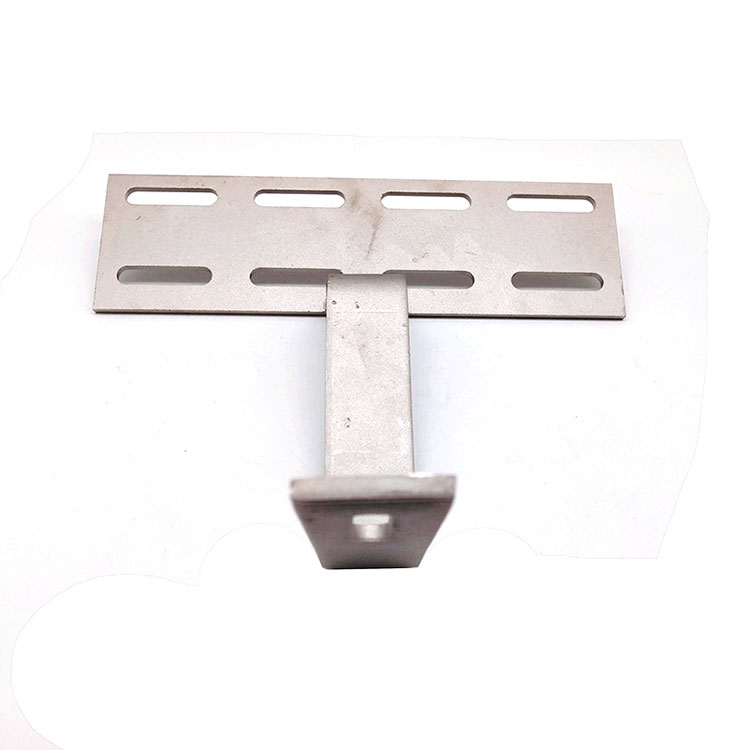
Stainless Steel SS201 SS304 Solar Energy System Roof Hook Fastener
High quality Customized Stainless Steel SS201 SS304 Solar Energy System Roof Hook Fastener is offered by China manufacturer Gangtong Zheli. Welcome new and old customers to continue to cooperate with us to create a better future!
Material:Stainless Steel
grade:SS304 SS2101
Application:Solar Energy System
Certificate:ISO9001:2008
Size:M8-M88
Packing:36Cartons/Pallet
delivery time:Busy season:15-30days,Slack seaon:10-15days
MOQ:1000TONS/MONTH
standard:DIN,ASTM/ASME,JIS,EN,ISO,AS,GB
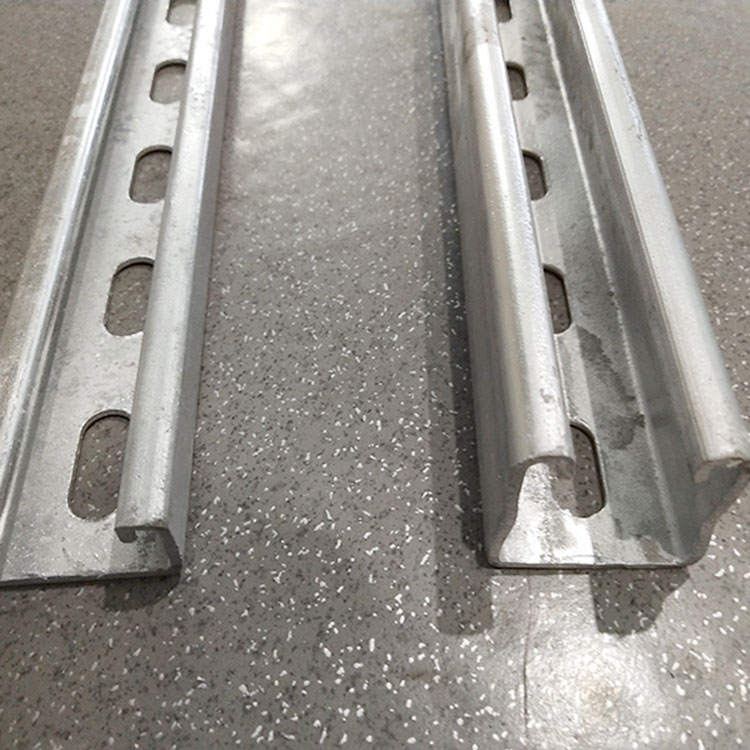
Galvanized Metal Stamping Steel Alumnium Connector Greenhouse Photovoltaic Bracket Structure To Support Solar Module Panel
Buy Customized Galvanized Metal Stamping Steel Alumnium Connector Greenhouse Photovoltaic Bracket Structure To Support Solar Module Panel which is of high quality directly with low price.
Solar roof tilting bracket system has great flexibility for the design and planning of commercial or civil roof solar system.
Application:Solar Mounting System
Certificate:ISO9001:2015
Packing:Cartons+Pallets
delivery time:7-30days
type:Ground Bracket
Gangtong Zheli Fasteners is a professional China Solar Bracket manufacturers and suppliers which provide customized service of Solar Bracket. We have own factory, can provide you with a satisfactory price.. Welcome to buy high quality products from us. Let us cooperate with each other to create a better future and mutual benefit.


X
We use cookies to offer you a better browsing experience, analyze site traffic and personalize content. By using this site, you agree to our use of cookies.
Privacy Policy