A solar project can look simple on paper and still become expensive the moment the wrong mounting detail is ignored. One of the most overlooked parts is the Roof Hook. Buyers often focus on panels, rails, and inverters first, then realize later that a poor hook choice can lead to misalignment, roof damage, water leakage concerns, slow installation, or difficult after-sales discussions. That is exactly why this topic matters. In real purchasing conversations, including those involving suppliers such as Ningbo Gangtong Zheli Fasteners Co.,Ltd., the same questions keep coming up: Will it fit the roof profile, hold up over time, resist corrosion, and make installation easier instead of harder?
Article Summary
This article explains what a Roof Hook really does, why it becomes a pain point in solar mounting decisions, and how buyers can evaluate the right option before placing an order. It covers roof compatibility, structural stability, corrosion resistance, adjustment range, installation practicality, and supplier communication. If you want fewer surprises on site and more confidence before procurement, this guide will help you ask the right questions and compare options with clarity.
Table of Contents
- Outline
- Why does a Roof Hook become a buyer pain point?
- What does a Roof Hook actually do?
- How should buyers choose the right Roof Hook?
- Which checks matter most before purchase?
- What mistakes create the biggest installation problems?
- How can you compare suppliers more efficiently?
- FAQ
- Final Thoughts
Outline
- The real reason this small component causes big project hesitation
- The role a Roof Hook plays in load transfer and roof protection
- The key buying factors that separate a workable choice from a risky one
- A practical comparison table for procurement teams and installers
- Common mistakes that increase labor, callbacks, and long-term cost
- A short supplier evaluation checklist you can use before order confirmation
Why does a Roof Hook become a buyer pain point?
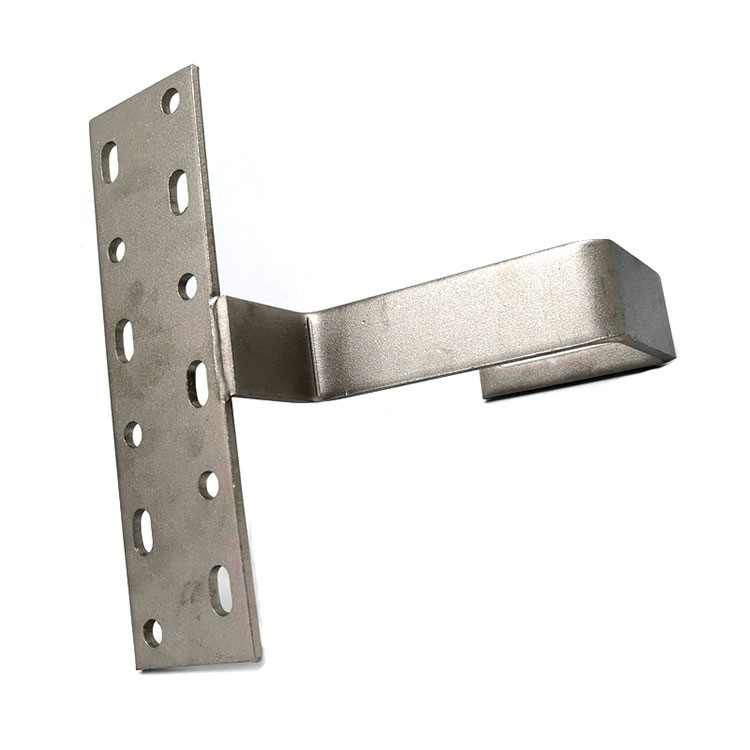
Buyers rarely worry about a mounting accessory until they picture the real jobsite. That is when the questions start to feel urgent. Will the hook sit properly under the tile? Does it need cutting or grinding on site? Is the adjustment range wide enough for uneven roofs? Will the material survive a humid, coastal, or high-salt environment? Can the installer work quickly without turning every bracket position into a custom fix?
The pressure comes from one truth: a Roof Hook is not just a metal part. It is the connection point between the mounting system and the roof structure. If this part is wrong, the whole installation process feels heavier. Labor time goes up. Waterproofing concerns increase. Alignment becomes harder. The roof owner loses confidence. Even if the issue is small, it can damage trust in the entire project.
That is why experienced buyers do not treat this component as an afterthought. They look at it as a decision that affects speed, durability, and project risk all at once.
What does a Roof Hook actually do?
In simple terms, a Roof Hook helps anchor the rail system to the roof structure while creating enough clearance and positioning flexibility for the solar mounting layout. On pitched roofs, especially tiled roofs, it often needs to do several jobs at the same time:
- Transfer loads from the solar system into the structural roof members
- Maintain a stable mounting point even when roof surfaces are uneven
- Provide enough spacing so tiles or roofing materials are not under constant stress
- Support rail alignment so installers can keep the array straight and efficient to assemble
- Help the system remain reliable through wind, rain, temperature shifts, and long service cycles
When people say a hook is “good,” they usually mean more than strength. They mean it fits the actual roof, works with the rail system, installs without unnecessary force, and still looks trustworthy after years of outdoor exposure. A good part reduces friction. A bad part makes every downstream decision harder.
How should buyers choose the right Roof Hook?
The best buying decision usually comes from looking at function before price. A lower unit price may look attractive, but if the hook creates slower installation, field modifications, broken tiles, or uncertain load performance, the real project cost rises fast. A practical evaluation should begin with these five points.
-
Roof type compatibility
Not every Roof Hook works well on every roof. Tile profiles, roof height variation, and structural spacing all matter. Buyers should confirm whether the hook is intended for the exact roof category being used in the project. -
Material and corrosion resistance
Outdoor hardware lives a hard life. Rain, heat, moisture, and airborne salt can shorten service life if the material choice is weak. Aluminum, stainless steel combinations, and properly protected steel options are often considered with durability in mind. -
Adjustment range
A hook that offers practical adjustment gives installers room to correct roof irregularities. This can save time and protect the finished alignment of the array. -
Installation convenience
Buyers should think about labor, not only hardware. A design that installs cleanly and predictably can improve crew efficiency and reduce frustration on site. -
System matching
The hook should work smoothly with the rail and clamp solution being used. If the supplier can explain matching points clearly, the buying process becomes much safer.
Quick Buying Insight
- Choose the roof first, not the hook first
- Check service environment before checking price
- Ask how much field adjustment is realistically available
- Think in total installed cost, not unit cost alone
Which checks matter most before purchase?
Many buyers need a faster way to compare options, especially when several suppliers appear similar at first glance. The table below is a useful screening tool during inquiry and sample review.
| Buyer Concern | What to Check | Why It Matters |
|---|---|---|
| Will it fit the roof properly? | Roof type, tile profile, mounting position, structural attachment method | Wrong fit can lead to slow installation, misalignment, or roof stress |
| Will it last outdoors? | Base material, surface treatment, corrosion resistance details | Poor durability raises replacement risk and long-term maintenance concerns |
| Will installers accept it? | Adjustment range, ease of handling, installation logic | Labor efficiency strongly affects total project cost |
| Will it match the mounting system? | Rail compatibility, fastening interface, dimensions | Mismatch creates delays and site improvisation |
| Will procurement feel confident? | Clear drawings, response speed, technical communication, sample consistency | Reliable supplier communication reduces uncertainty before bulk order |
This is where experienced suppliers stand out. They do not just quote. They explain. They help buyers narrow the real variables, avoid mismatch, and move from uncertainty to a workable decision.
What mistakes create the biggest installation problems?
Most avoidable project issues come from assumptions made too early. Teams assume the roof is “standard.” They assume all hooks in the category are basically interchangeable. They assume the crew can adjust anything on site. That kind of optimism sounds efficient during procurement, but it often produces the opposite result.
-
Choosing by appearance alone
Two products can look similar in a photo and behave very differently during installation. -
Ignoring roof irregularity
Real roofs are rarely as perfect as drawings. Insufficient adjustment can slow the whole mounting line. -
Underestimating environment
Humid air, coastal conditions, and long outdoor exposure punish weak material choices. -
Focusing only on ex-works price
A cheaper hook that adds hours of labor is not actually cheaper. -
Skipping technical confirmation
If the buyer and supplier are not aligned on roof type, interface, and expectations, the project pays for it later.
The strongest purchasing habit is simple: ask what can go wrong before asking how low the price can go. That single shift usually leads to better decisions.
How can you compare suppliers more efficiently?
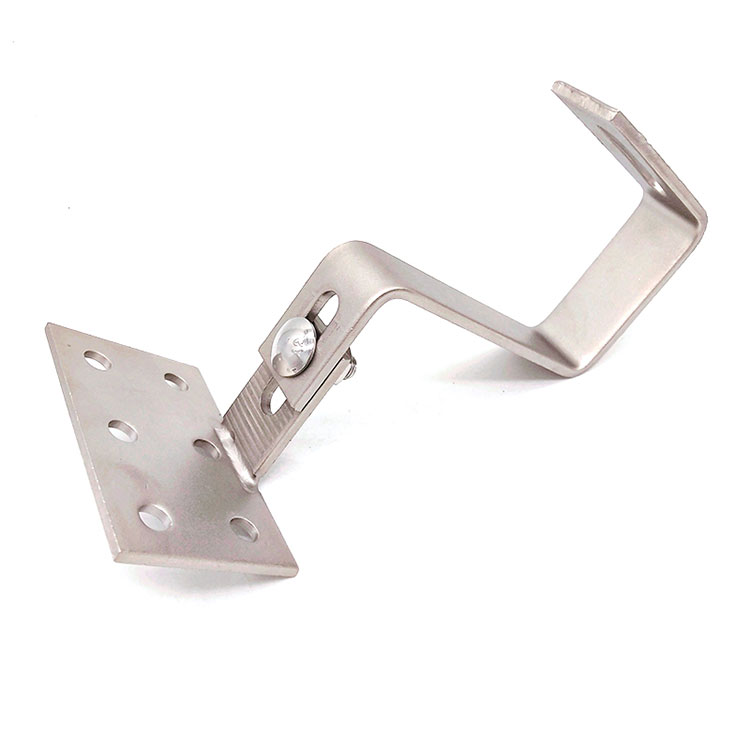
If you are reviewing more than one source for Roof Hook supply, use a short comparison checklist instead of relying on a generic quote sheet. It helps you see the difference between a seller and a real project partner.
- Ask for product drawings that are easy to read and useful to your technical team
- Confirm the intended roof application clearly in writing
- Ask how the product helps reduce installation difficulty
- Check whether material and finish details are explained clearly rather than vaguely
- Review whether responses are practical, fast, and consistent
- Request samples if the project has a demanding roof condition or installation schedule
- Compare total project value, not only piece price
This is also why many buyers prefer to work with suppliers that understand both fasteners and mounting use cases. The conversation becomes more useful. Instead of spending time correcting misunderstandings, you spend time confirming what will actually work.
For buyers looking at this category through a project lens rather than a catalog lens, the right partner is often the one that helps make the site feel predictable.
FAQ
Q1: Is every Roof Hook suitable for tiled roofs?
No. Tiled roofs vary in profile, thickness, and installation condition. A Roof Hook should be selected according to the actual roof type and mounting requirement rather than by category name alone.
Q2: Why is adjustment range so important?
Because roof surfaces are rarely perfectly uniform. Good adjustment helps installers align rails more easily, reduce rework, and avoid forcing the system into position.
Q3: Does a lower unit price always mean better value?
Not necessarily. If the lower-cost option increases labor time, damages roofing materials, or creates installation delays, the total project cost can become higher.
Q4: What should I ask a supplier before ordering?
Confirm roof compatibility, material details, corrosion resistance, rail matching, adjustment capability, and whether the product is designed to reduce field difficulty.
Q5: Why do experienced buyers pay so much attention to this small component?
Because this small component affects structural confidence, installation speed, roof protection, and after-sales risk. It may be a small part, but it carries large consequences.
Final Thoughts
A dependable Roof Hook is not just a detail in a solar mounting system. It is part of the reason a project feels easy, secure, and professionally executed. When buyers choose carefully, they protect more than hardware. They protect schedule, labor efficiency, installer confidence, and long-term trust in the finished roof system.
If you are evaluating options and want a clearer way to compare real-world performance, application fit, and supply support, this is the right moment to slow down and ask sharper questions. The best purchasing decision is rarely the fastest quote on paper. It is the one that remains dependable when the installer steps onto the roof.
Looking for a more reliable Roof Hook solution for your next solar mounting project? If you want practical product communication, clearer application matching, and a smoother path from inquiry to installation, contact us and start the conversation with a team that understands what buyers actually need before they place an order.