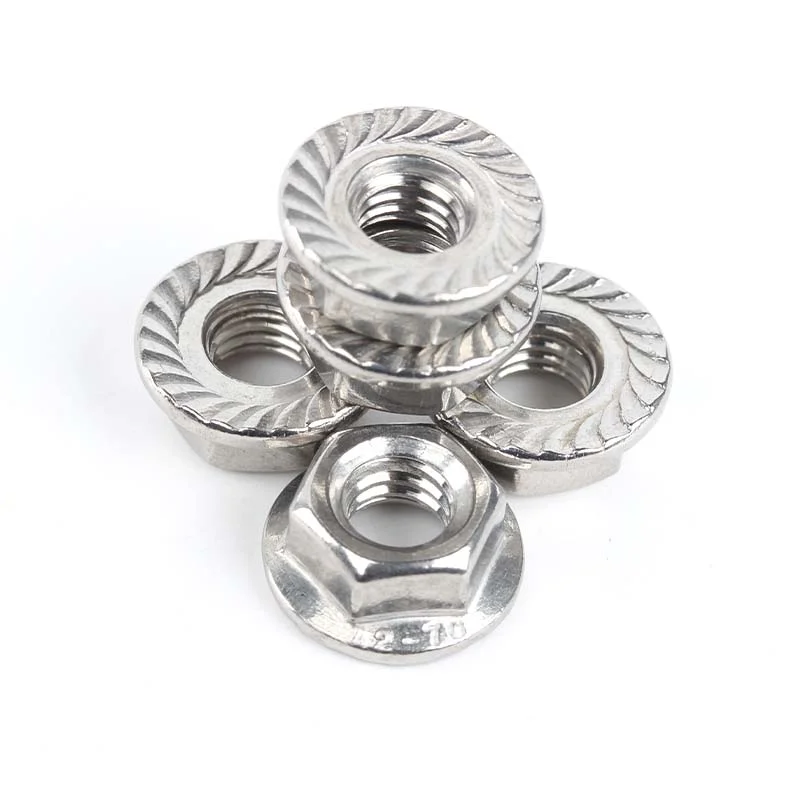
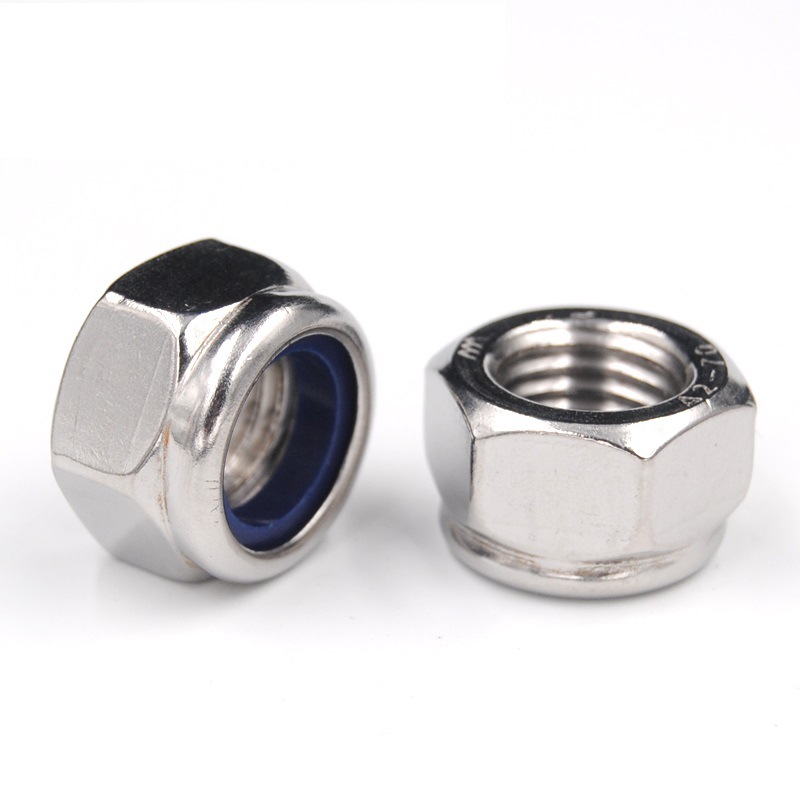
Gr 8 Carbon steel High Tensile Black DIN6915 Hex Heavy Nuts
M6 M8 M10 Stock Carbon Steel White Blue Zinc Plated Long Nut Coupling Nut
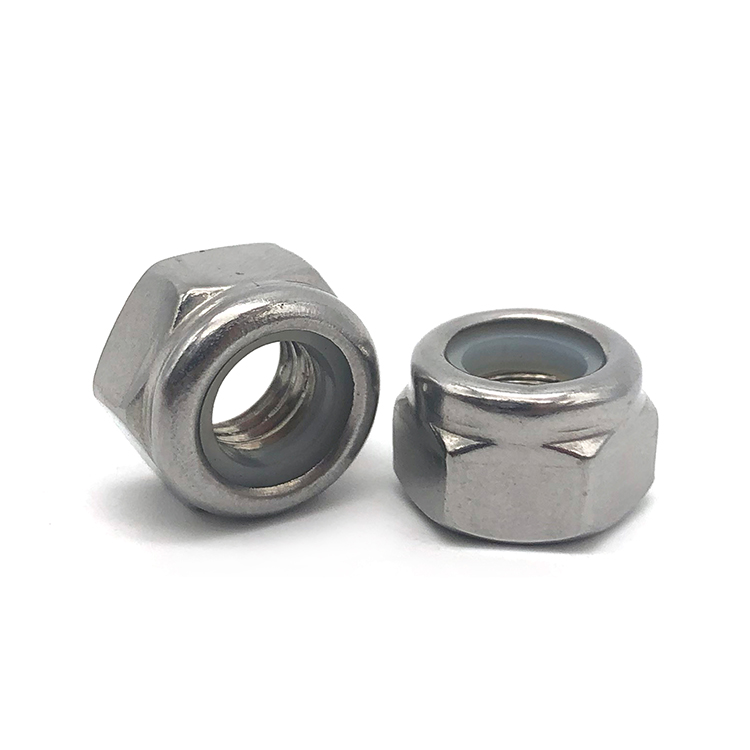
ASTM 1/2" 3/8" 9/16" Gr2 Plain Lock Nut Hexagon Prevailing Torque Nuts
Galvanized Steel Zinc Plated Press Self Clinching Nut
Non-standard Carbon Steel Blue White Zinc Plated Flat Head Hex Neck Carriage BoltAluminum profiles, also known as aluminum extrusions or aluminum sections, are long, shaped pieces of metal produced by pushing heated aluminum alloy through a die of a specific cross-sectional profile. This extrusion process allows for the creation of complex, high-strength, and lightweight shapes with a remarkable degree of design flexibility. These profiles are fundamental components in countless industries, from construction and automotive manufacturing to electronics and renewable energy, prized for their durability, corrosion resistance, and recyclability.
Understanding the technical specifications is crucial for selecting the right aluminum profile for your application. Here are the primary parameters we detail for our products:
The alloy composition and heat treatment (temper) define the profile's mechanical properties. We primarily work with the following series:
Temper Designations: Common tempers include T5 (cooled from an elevated temperature shaping process and artificially aged), T6 (solution heat-treated and artificially aged for maximum strength), and T651 (a stress-relieved version of T6).
Our extrusions are manufactured to meet strict international standards for dimensional accuracy. Tolerances are specified for:
We adhere to standards such as ASTM B221, EN 755-9, and GB/T 14846.
We offer a variety of finishes to meet aesthetic and functional requirements:
| Finish Type | Description | Typical Applications |
|---|---|---|
| Mill Finish | The natural, uncoated surface as it exits the extrusion press. May have visible die lines. | Industrial frames, parts for further processing, internal components. |
| Anodized | An electrochemical process that creates a hard, decorative, and corrosion-resistant oxide layer. Available in clear, black, and various colors. | Architectural facades, window frames, consumer electronics, marine hardware. |
| Powder Coated | A dry powder is electrostatically applied and cured under heat to form a durable, uniform polymer coating. Vast color range and textures. | Building exteriors, furniture, automotive trim, outdoor equipment. |
| Brushed or Polished | A mechanical finish providing a distinctive linear grain or a mirror-like reflective surface. | Decorative trim, signage, luxury goods, interior design elements. |
Critical for structural calculations. Key properties include:
| Property | Definition | Typical Range (6061-T6) |
|---|---|---|
| Tensile Strength | Maximum stress a material can withstand while being stretched. | ≥ 42,000 psi (290 MPa) |
| Yield Strength | Stress at which material begins to deform plastically. | ≥ 35,000 psi (240 MPa) |
| Elongation | Percentage of length increase before fracture (measure of ductility). | 8-10% |
| Hardness (Brinell) | Resistance to permanent indentation. | 95 HB |
| Modulus of Elasticity | Stiffness of the material (ratio of stress to strain). | ~10,000 ksi (69 GPa) |
Beyond standard extrusion, we provide comprehensive secondary services:
Q: What is the main advantage of using aluminum profiles over steel or other materials?
A: The primary advantage is an excellent strength-to-weight ratio. Aluminum profiles offer substantial structural capability while being approximately one-third the weight of steel. This leads to easier handling, lower transportation costs, and reduced load on supporting structures. Additionally, aluminum naturally forms a protective oxide layer, giving it superior corrosion resistance without the need for painting in many environments. It is also 100% recyclable without loss of properties, making it a sustainable choice.
Q: How do I choose the right aluminum alloy for my project?
A: Selection depends on your application's key requirements. For general framing, architectural applications, and consumer goods where good strength, surface finish, and corrosion resistance are needed, 6063 or 6061 alloys are ideal. For marine or chemical environments where corrosion resistance is paramount, consider a 5xxx series alloy like 5052 or 5083. For high-stress structural applications where maximum strength is critical, such as in aerospace or high-performance automotive, the 7xxx series (e.g., 7075) is necessary, though it is less corrosion-resistant and more expensive. Consulting with our engineering team is always recommended.
Q: What are the standard lengths for extruded aluminum profiles, and can I get custom lengths?
A: Standard straight lengths typically range from 8 feet (2.44 meters) to 24 feet (7.32 meters), depending on the alloy, profile complexity, and press capacity. We absolutely provide custom cut-to-length services. You can order profiles cut to your exact specifications, which can minimize waste, reduce on-site labor, and streamline your assembly process. We offer precision cutting with tolerances as tight as ±0.5mm.
Q: What is the difference between anodizing and powder coating for aluminum profiles?
A: They are fundamentally different processes. Anodizing is an electrochemical treatment that thickens and enhances the natural oxide layer on the aluminum's surface. It becomes an integral part of the metal, offering excellent durability, UV resistance, and a metallic appearance. It is hard but can be prone to color fading in extreme sun if not sealed properly. Powder coating involves applying a layer of dry, thermoset polymer powder that is then baked on. It provides a thicker, more consistent color coating with a vast aesthetic range (textures, gloss levels) and is generally superior for color consistency and hiding surface imperfections. The choice often depends on the desired aesthetic, environmental exposure, and functional requirements.
Q: Can aluminum profiles be welded, and are there any special considerations?
A: Yes, many aluminum alloys are readily weldable. The 6xxx and 5xxx series are particularly known for good weldability. The most common methods are TIG (Tungsten Inert Gas) and MIG (Metal Inert Gas) welding. Key considerations include: using the correct filler wire alloy (e.g., 4043 or 5356 for 6xxx series), thorough cleaning to remove the oxide layer immediately before welding, and ensuring proper heat input to avoid distortion or weakening of the heat-affected zone (HAZ). Post-weld heat treatment may be required for some high-strength applications. It's crucial to note that the temper of the material (e.g., T6) is lost in the weld zone, reducing its strength locally.
Q: What design limitations should I be aware of when creating a custom aluminum extrusion profile?
A: While extrusion is versatile, some design rules ensure manufacturability and cost-effectiveness. Key limitations include: Minimum Wall Thickness: Must be sufficient to withstand extrusion pressures; a rule of thumb is 1mm minimum, but it depends on the profile's size. Hollow Sections: Require a die with a "bridge" or "spider," which leaves seam lines inside. Solid shapes are simpler. Tongue Ratio: Avoid designing narrow, protruding "tongues" with a high ratio of length to width, as they can break during extrusion. Symmetry: Symmetrical profiles tend to extrude more evenly and with less distortion. Circumscribing Circle Diameter (CCD): The smallest circle that entirely contains the profile cross-section; this determines the required press size. Early consultation with our design engineers is the best way to optimize your profile.
Q: How sustainable and recyclable are aluminum profiles?
A: Aluminum is one of the most sustainable industrial materials. Its key environmental benefits are: Infinite Recyclability: Aluminum can be recycled repeatedly without any degradation in its inherent properties. Recycling aluminum saves up to 95% of the energy required to produce primary aluminum from bauxite ore. Long Life Cycle: Profiles used in construction or vehicles last for decades. Low Emissions in Use: Lightweighting with aluminum in transportation reduces fuel consumption and emissions. We actively source recycled content and ensure our production scrap is fully recaptured and recycled back into the manufacturing stream.
You can rest assured to buy Solar Panel Mounting Anodizing Aluminum Extrusion Profile for Window Door from our factory.
Specification:Aluminum
Application:Solar panel mounting
Certificate:ISO9001:2015
Packing:Cartons+Pallets
delivery time:Busy season:15-30days,Slack season:10-15days
Standard: customized