
How to Avoid Bad Quality DIN 6921 Class 8.8 Zinc Plated Serrated Hex Flange Bolt in Bulk Order?
Many mechanical and construction project buyers select DIN 6921 Class 8.8 Zinc Plated Serrated Hex Flange Bolt for anti‑loosening assembly requirements. The serrated flange face creates friction against mating surfaces to reduce bolt rotation under vibration conditions.
Verified feedback from overseas industrial buyers confirms that properly manufactured fasteners deliver stable performance under normal vibration loads. Ningbo Gangtong Zheli Fastener Co., Ltd continuously collects field feedback from bulk purchasers to optimize product matching for real‑world application scenarios.
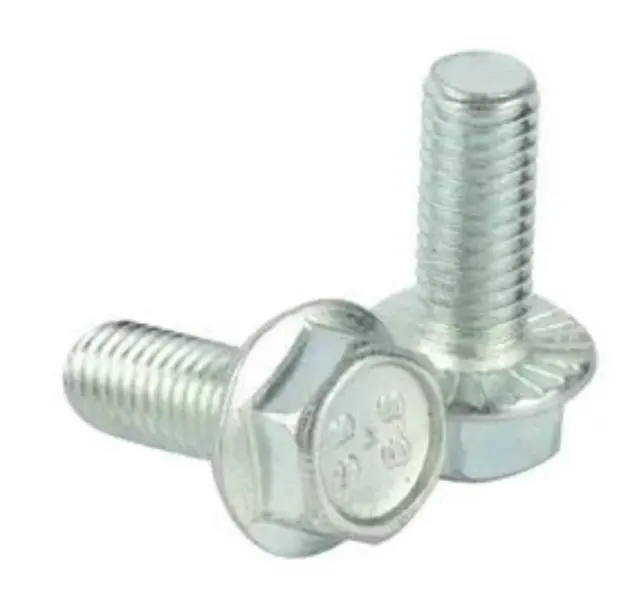
Core Performance Metrics: Qualified vs Sub‑Standard Fastener
The table below lists inspectable reference indicators. All test items follow official DIN standard laboratory test methods.
|
Inspection Item |
Qualified DIN 6921 Class 8.8 Zinc Plated Serrated Hex Flange Bolt |
Common Sub‑Standard Product |
|
Hardness |
25‑32 HRC (Class 8.8 requirement) |
Lower than 22 HRC, insufficient heat treatment |
|
Zinc coating thickness |
5‑12 μm for general zinc plating |
Below 3 μm, poor short‑term rust resistance |
|
Serrated flange |
Complete tooth profile, no burr |
Partial missing teeth, reduced anti‑slip friction |
|
Dimension tolerance |
Complies with DIN 6921 drawing tolerance |
Out‑of‑tolerance thread or flange size |
Real‑World Advantages From Project Application
For general‑duty vibration scenarios, DIN 6921 Class 8.8 Zinc Plated Serrated Hex Flange Bolt brings practical benefits for on‑site assembly. Integrated flange structure removes the need for separate washers and cuts installation workload. Zinc‑plated surface provides basic corrosion resistance for indoor and non‑coastal outdoor working conditions.
One practical client case comes from a European machinery assembler. The client previously adopted non‑standard flange bolts and faced occasional loose‑connection failures on vibration‑intensive positions. After switching to DIN‑compliant fasteners supplied by Ningbo Gangtong Zheli Fastener Co., Ltd, monthly equipment inspection records showed obvious improvement of joint stability.
Practical Application Limitations for Project Evaluation
Even fully qualified DIN 6921 Class 8.8 Zinc Plated Serrated Hex Flange Bolt has clear application boundaries for engineering teams to evaluate in advance.
Zinc plating cannot offer long‑term anti‑corrosion performance under heavy salt‑spray coastal conditions. For such environments, engineers shall select alternative surface treatments such as PTFE coating.
Serrated anti‑slip function performs best on rough bare‑metal contact surfaces. When mating surfaces are highly polished or covered with paint layers, friction force generated by serrations will decrease. This observation comes from repeated feedback shared by global engineering procurement teams.
Factory Capability To Sustain Batch‑to‑Batch Consistency
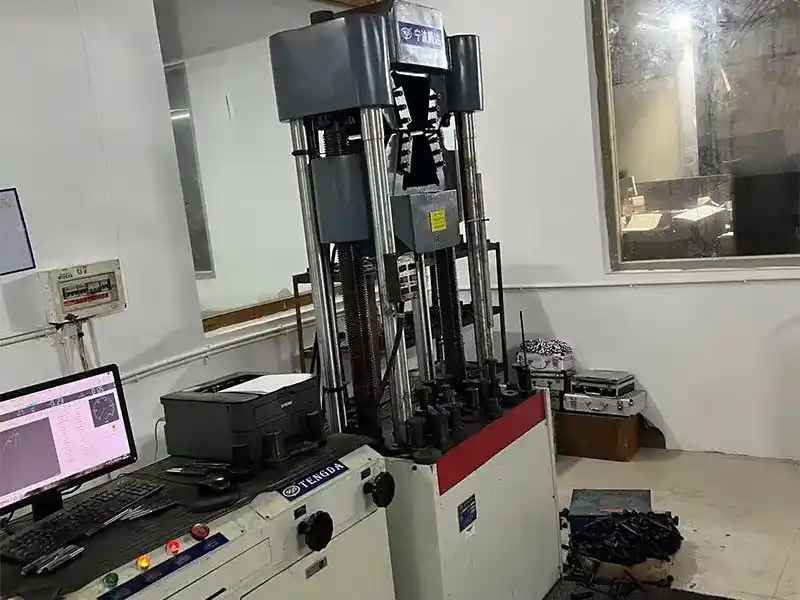
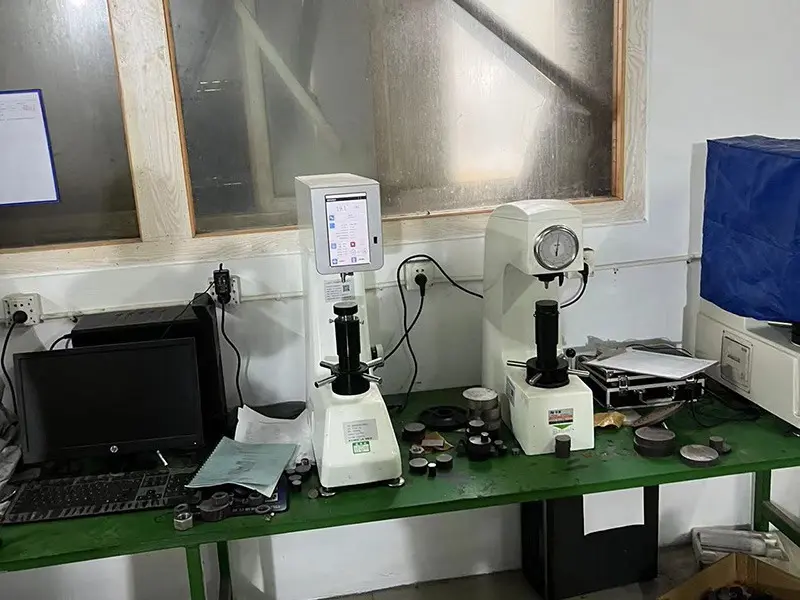
Consistent fastener quality depends not only on drawing specifications, but also on complete in‑house inspection workflow. Reliable fastener manufacturers implement batch‑by‑batch tensile test and hardness inspection for Class 8.8 series fasteners. All inspection procedures strictly follow DIN standard test specifications.
Technical teams carry out checks covering incoming raw steel bar, heat‑treatment results and finished‑product mechanical properties. This multi‑step inspection mechanism reduces performance deviation across large‑volume orders. Project buyers are allowed to request batch test reports before finalizing purchase cooperation.
Key Takeaways for Bulk Procurement
Purchasers should match DIN 6921 Class 8.8 Zinc Plated Serrated Hex Flange Bolt with actual site working conditions. Before bulk placement, confirm surface‑treatment suitability, mating‑surface status and full DIN standard compliance. Correct selection and installation enable this standard fastener to deliver expected anti‑loosening performance for machinery and construction projects.
Send Inquiry


X
We use cookies to offer you a better browsing experience, analyze site traffic and personalize content. By using this site, you agree to our use of cookies.
Privacy Policy